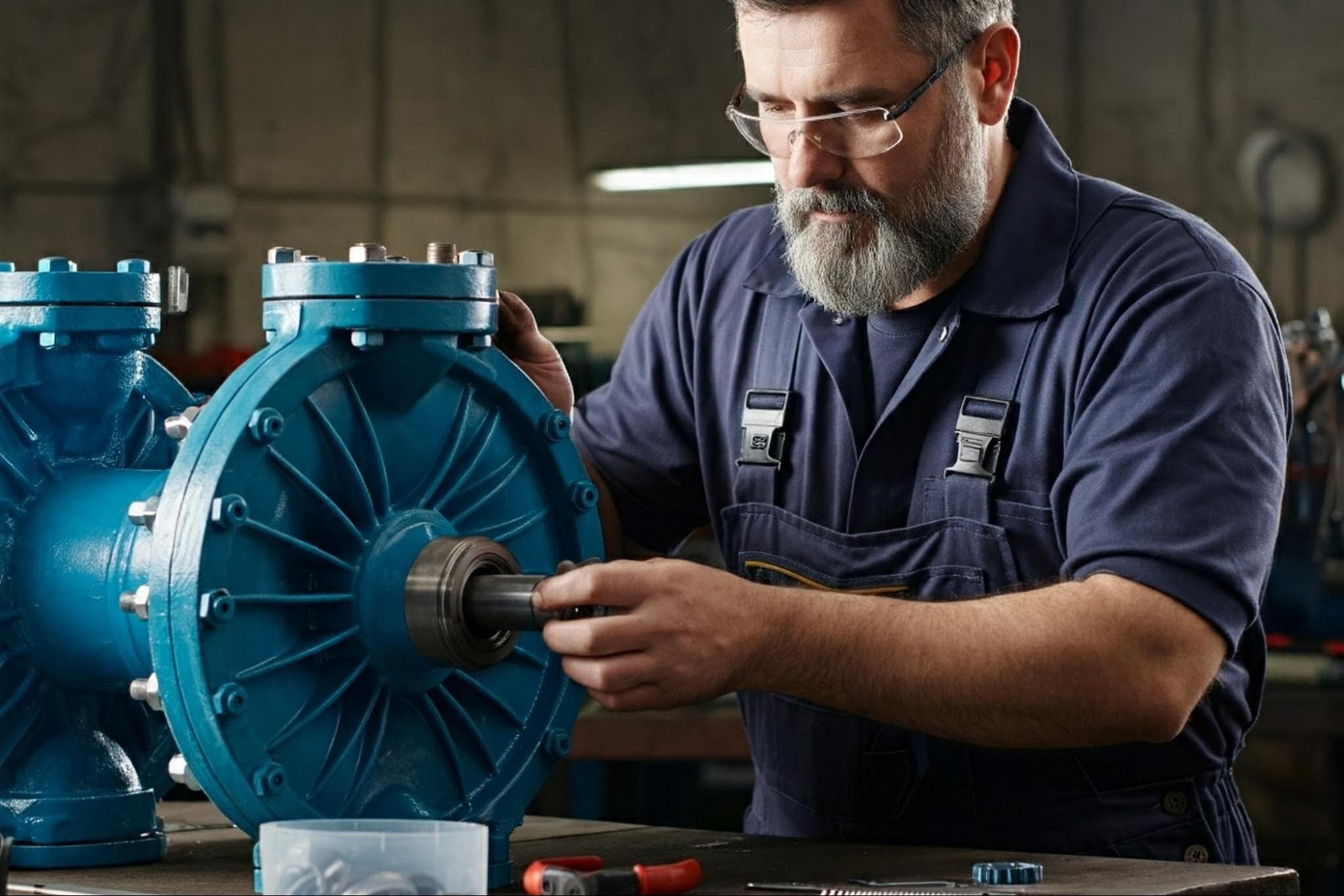
Diaphragm pumps are versatile workhorses found in a wide range of industries, from manufacturing and construction to pharmaceuticals and food processing. Their ability to handle various fluids, from clean water to aggressive chemicals and abrasive slurries, makes them indispensable for many applications. This comprehensive guide will delve into the different types of diaphragm pumps, explore their diverse applications, and provide essential maintenance tips to ensure their longevity and optimal performance.
What is a Diaphragm Pump?
At its core, a diaphragm pump is a positive displacement pump that uses a reciprocating diaphragm to move fluids.
Unlike centrifugal pumps, which rely on rotational force, diaphragm pumps create a temporary chamber that expands and contracts to draw in and expel fluid. This mechanism allows them to handle viscous liquids, slurries, and even fluids with entrained solids, which would pose challenges for other pump types.
Types of Diaphragm Pumps
Diaphragm pumps come in various configurations, each with its own strengths and ideal applications. Let’s explore the most common types:
Air-Operated Double Diaphragm (AODD) Pumps
AODD pumps are perhaps the most prevalent type, known for their versatility and robustness. They utilize compressed air to move the diaphragms, making them suitable for hazardous environments where electrical sparks could be dangerous. AODD pumps are also capable of running dry without damage, making them ideal for applications with intermittent flow or potential for dry-running.
Electrically Operated Diaphragm Pumps
Electric diaphragm pumps offer a more energy-efficient alternative to AODD pumps, especially for continuous duty applications. They are typically quieter and require less maintenance due to the absence of an air compressor. However, they may be less tolerant of dry-running conditions compared to their air-operated counterparts.
Hydraulically Operated Diaphragm Pumps
Hydraulic diaphragm pumps are often used in heavy-duty applications where high pressures and flow rates are required. They are known for their power and durability, making them suitable for demanding tasks such as mining and oil and gas operations.
Mechanically Operated Diaphragm Pumps
Mechanically actuated diaphragm pumps utilize a mechanical linkage, such as a piston or camshaft, to drive the diaphragm. They are often found in smaller applications and offer precise flow control.
Applications of Diaphragm Pumps
The versatility of diaphragm pumps makes them suitable for a wide array of applications across diverse industries. Here are some notable examples:
Chemical Processing
Diaphragm pumps excel in chemical processing due to their ability to handle corrosive and abrasive fluids. They are used for transferring acids, bases, solvents, and other chemicals, ensuring safe and efficient operations.
Water and Wastewater Treatment
In water treatment, diaphragm pumps are employed for filtration, dosing chemicals, and transferring sludge. Their ability to handle solids-laden liquids makes them crucial for wastewater treatment processes.
Food and Beverage Industry
Sanitary diaphragm pumps, often constructed from stainless steel, are used in the food and beverage industry for transferring delicate fluids like milk, juices, and sauces. Their hygienic design prevents contamination and ensures product quality.
Pharmaceutical Manufacturing
Diaphragm pumps play a vital role in pharmaceutical manufacturing, where precise metering and sterile conditions are paramount. They are used for dispensing liquids, transferring ingredients, and filling containers, ensuring accurate dosages and product integrity.
Construction and Mining
The ruggedness of diaphragm pumps makes them well-suited for construction and mining applications. They are used for dewatering, pumping concrete, and transferring slurries, often in challenging environments.
Painting and Coating
Diaphragm pumps are commonly used in painting and coating applications to deliver paints, varnishes, and other coatings. Their ability to handle high-viscosity fluids and provide consistent flow ensures smooth and even application.
Choosing the Right Diaphragm Pump
Selecting the appropriate diaphragm pump for your specific application is crucial for optimal performance and efficiency. Consider the following factors when making your choice:
- Fluid Compatibility: Ensure the pump materials are compatible with the fluids being handled to prevent corrosion or degradation.
- Flow Rate and Pressure Requirements: Determine the required flow rate and pressure to select a pump that meets your needs.
- Environmental Conditions: Consider the operating environment, including temperature, humidity, and potential hazards, to choose a pump that can withstand the conditions.
- Power Source: Choose between air-operated, electric, or hydraulic pumps based on your power availability and application requirements.
- Maintenance Requirements: Evaluate the maintenance needs of different pump types and choose one that aligns with your maintenance capabilities.
Conclusion
Diaphragm pumps are versatile and reliable tools for fluid transfer across a myriad of industries. Their ability to handle diverse fluids, from water to aggressive chemicals and abrasive slurries, makes them indispensable for various applications. By understanding the different types of diaphragm pumps, their applications, and maintenance requirements, you can ensure efficient operation and maximize the lifespan of these valuable assets. Remember, investing in a quality diaphragm pump and adhering to proper maintenance practices will pay dividends in the long run, ensuring smooth and reliable operation for years to come.